Advertisement

Showing posts with label temples in Himachal Pradesh. Show all posts

Saturday, April 18, 2020

Jaskot Shiv Temple - Shiv Mandir built by Pandvas in Jaskot, Hamirpur

Commonly known among locals as Prachin Shiv Mandir, Jaskot (प्राचीन शिव मंदिर, जसकोट) is a picturesque temple located in hill town of Hamirpur in Himachal Pradesh.  Temple is located at a distance of approx seven kilometers from district headquarter of Hamirpur on the Hamirpur - Dharmshala road.  Temple falls under the Panchayat Jol-Sappar (जोल सपड) in the village Jaskot (जसकोट).

This temple history belongs to the Mahabarata time and it is said that the Pandavas established and worshiped the Shiva-Linga here and thereafter it took  around a decade to built the temple.  There is a very beautiful lake near the temple and this lake fulfills the demand of water supply of two nearby villages.  There are many beautiful fish of different colors in the lake. You can see devotees feeding the fish and offering atta etc to the fish.

Temple is well maintained by the temple committee and there are facilities like kitchen and shelter for the visitors. Every year during Mahashivratri a grand bhandara is organised and people gather here hi huge numbers on the occasion.

Take a look at the video of the temple:

Wednesday, July 22, 2015

Sidh Baba Balak Nath Temple (Deot Sidh) – Himachal Pradesh


Baba Balak Nath is a Hindu god worshiped in northern region of India. Baba Balak Nath is mostly worshiped in Punjab and Himachal Pradesh. However you can find temples dedicate to Baba Balak Nath in all parts of India. Particularly in Himachal there are some areas of Kangra and Mandi districts where you can find a small temple or an elevate place with imprints of feet of Baba Balak in the front-yard of each home. People of these areas visit Baba Balak Nath temple in Hamirpur on the occasion of most of the family functions like after a wedding, mundan ceremony (First time trimming of hairs of a child) etc. This temple is famously also known as Deot-Sidh or Deotsidh. There is an interesting legend behind this name. I'll share that with you later. First lets take a glimpse of this beautiful temple.

Pictures of Baba Balak Nath Temple


How to reach Deot Sidh (Balak Nath) Temple

Deot Sidh Temple is located at “Chakmoh” a village of Hamirpur district. The temple is well connected by road. And you can reach by Bus, Taxi, Own vehicle here. Inter state buses runs from all parts of Himachal, Punjab. During the festival and fairs season one can also see huge inflow of devotees, who come traditional in trucks to the temple.

Temple is a small cave carved in the hills and an idol of Baba Balak Nath is placed there in the cave. Deot Sidh is 45Kms. from Hamirpur at the order of Hamirpur and Bilaspur Districts of Himachal Pradesh.

Shah-Talai

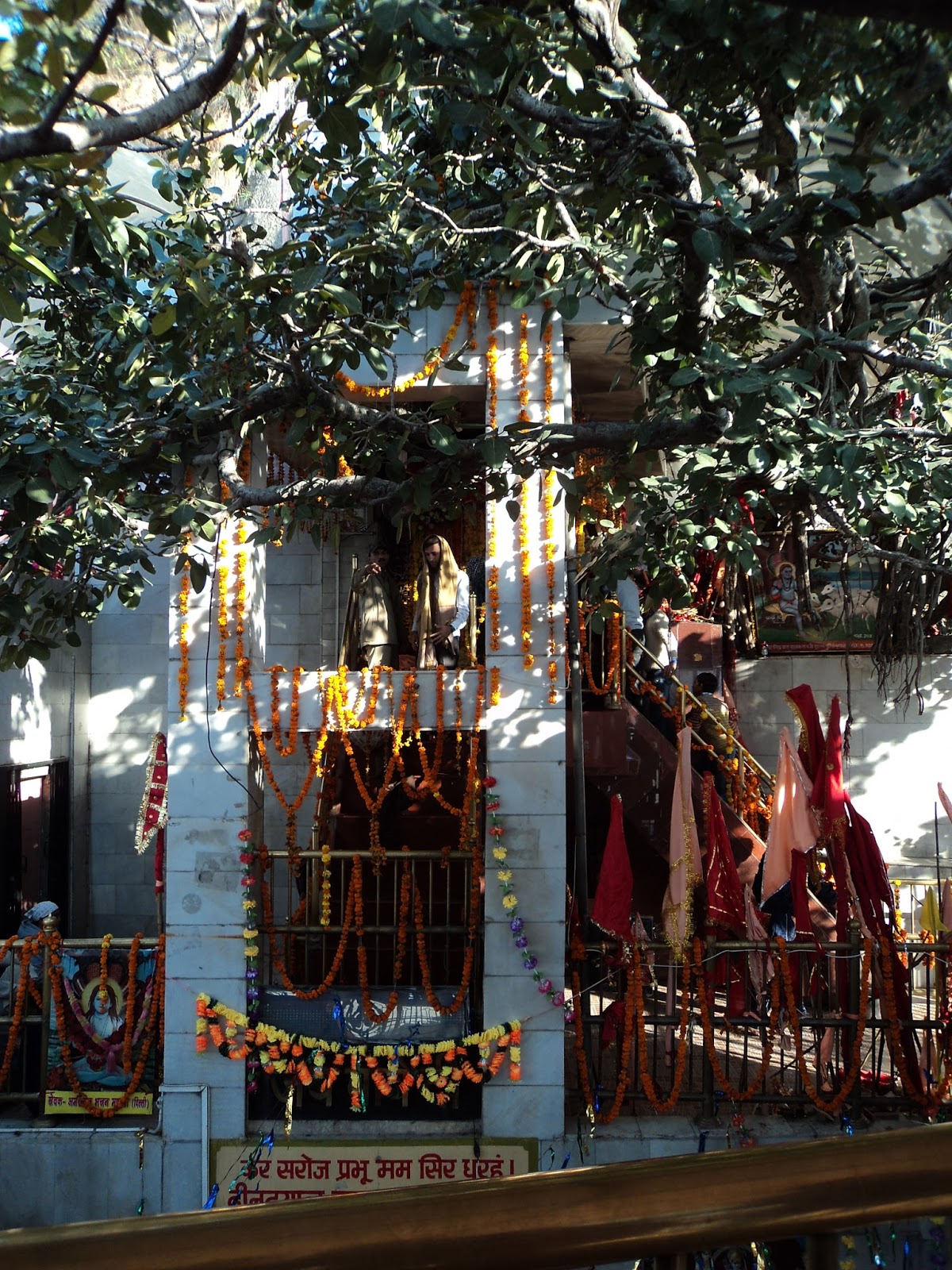
When visiting this temple one must one forget a trip to Shah Talia. This is the place where Baba Ji spend initial days of his life grazing the cows of Ratna Mai. Babaji normally take shelter under a banyan tree and meditate over there. The tree is still present at Shaha Talia temple. A half hollow structure has been all set to represent the "Hollow of banyan Tree. Close by is a temple having the imagery of Baba Balak Nath, Guga Chauhan and Nahar SinghJi. The soil of this place is used for anti-worm for cattle-foot disease. Apart from this you can also visit and see the ancient Garna plant which is few meters from the Shah Talai temple.

Nearby religious places of interest

Religious places surrounding the Doet Sidh temple are Bachhretu Mahadev, Garna Jhari, Shiv kund, Banyan Tree, Samadi Sathal Math at Vill. Kalwal, Baba Balak Nath Ji Ka Dhuna, Charanpaduka,  Guga Chauhan and Nahar SinghJi Temples.


Some important things to remember

  • Ladies are not allowed to visit the Gufa. They can only seek the blessings from an elevated platform few meters from the Cave. 
  •  Prasad of Rot be offered at the temple
  • Don't forget to visit the Dhuna and seek sacred ash


Friday, July 4, 2014

Shri Naina Devi Temple in Himachal Pradesh

Shri Naina Devi Ji temple is one of the famous temples in North India. Located in district Bilaspur of Himcahal Pradesh, this temple is located close to the border of Himachal and Punjab. Pilgrims from Himachal, Punjab, Delhi, UP and other areas visit the temple throughout the year. However during festival seasons like Navratris, Shravan and Chiatra (months of Indian calendar) there is huge inflow of pilgrims to the temple. 

Shri Naina Devi temple is located on a hill which is in triangular form. The hill is known as Naina Dhar and is approximate 3535 feet above sea level. Until the year 1987 local priests and partners used to operate the temple. Now temple is operated by “Shri Naina Devi Ji Temple Trust” formed under the Hindu Public Act (1984). The SDM Sadar of Bilaspur district is the president of the trust while the Tehilsdad Sadar Bilaspur is the Secretary. Remaining members of the trusts are district education office, medical office, village head etc.  You can check the updated list of Trustees here.

Facilities for devotees at Naina Devi Temple:
Temple offer various services to the devotees that are mostly free or at subsidized costs like:
  • Langar: Langar is offered to the pilgrims free of costs in the lnagar bhawan. Breakfast, lunch and dinner meals are offered daily.
  • Dharamshala for free stay: Dharmashala with a capacity of stay for 1000 people been constructed by temple trust. Stay is Dharamshala is free but one can also opt for rooms and dormitories in nearby staying shelters at nominal costs.
  • Shop: One shop is run by trust for Prasad and sweets etc. The shop is a non-profit shop located near the main entrance gate of the temple. 
  • Toilets & Bathrooms
  • Medical facilities
  • Free cloak room services near bus stand

History of Temple: -
Naina Devi Mandir is one of the 51 shakti peethas in the world. Shakti Peethas are the place where parts of goddess Sati fell on the earth. As per Hindu legends Mata Sati (wife of Lord Shiva) burnt herself alive in Yagna organized by her father Dakhsa Prajapati. It’s believed that Dakhsa organized the Yagna and invited all the lords and Devatas except Shiva. But still Sati insisted to visit the Yagna, on reaching Daksha insulted Shiva and distressed Sati fell in the Yagna Kunda and burnt herself. Lord Shiva then took corpse of Sati on her shoulder and start roaming around the universe. To get Lord Shiva out of this stage, Lord Vishnu used his chakra that cut the Mata Sati’s body into different pieces. Each place where the pieces fell one Shakti Peeth was built later. It’s believed that the eyes of Sati fell at this place, thus the name Naina Devi.

Temple was later built at this place. As per the legends a local shepherd,  used to graze his cattle one day saw one of his cow showering milk on a stone. This continued for few days and later that shepherd saw Goddess in his dream and told him that stone is her pindi. Shepherd shared this with the king Bir Chand, who when saw this happening in realty built a temple at that place.

How to Reach: -   
 
If you want come from Chandigarh simply you can arrive in temple by Bus. Distance between Chandigarh and Shri Naina Devi temple near about 108 kilo meter and 20 km from Anandpur Sahib. You can visit by bus or your own vehicle for Shri Naina Devi temple. Nearest airport is at Chandigarh around 110 km away. Anandpur Sahib is the nearest Railway station which is around 30 km from the temple.

Normally you can visit the temple all days of the year however you can avoid the winters as its very cold and foggy during that times.

Other facts:
Ancient cave: Very few pilgrims know that there is an ancient cave near the temple.  This cave is near the point where ropeway reaches uphill. It is a narrow cave and people enter the cave one by one in small groups.

Few other places to visit includes: Kripali Kund, Khappar Mahishasur, Kala Johar and Kolan wala Toba. All these places are sacred and of religious importance.

Kolan wala Toba is the first halt and popular for lotus flowers in the lake. Many people take bath here and begin the journey.


Kala Johar also known as Chiksu Kund is the area where the skull of Chiksu the main commander of demon Mahihsasur fell. Person with skin problems get cured by taking bath here. Also married women without children are believed to be blessed with children after taking bath here.

Saturday, June 28, 2014

Bekhli Mata Temple in Kullu - Jagannathi Devi Mandir Kullu, HP

Himachal Pradesh is known as land of gods (Dev Bhoomi). In Himachal all the religious places have wonderful architecture and got significant importance among locals and tourists. Bekhli Mata Temple in Kullu is one such temple. I’d like to share some information about this temple in Kullu, Himachal Pradesh so that if you are visiting Kullu in near future you might can add one more beautiful place to your itinerary and also seek the blessings from the goddess.

Bekhli Mata temple is around 12 km from the main market (Ramsheela) of Kullu. Temple is located near a small village Bekhli and can be reached by buses or taxis from Kullu. Temple is believed to be built some 1500 years ago and is one of the oldest temples in the region. Goddess Maa Bhuwaneshwari or Jagannathi Devi is worshipped here. The temple is an excellent architectural work of Pahari style architecture. On your visit you’d be amazed to see the beautifully decorated idol of the goddess and while performing parikrama you’ll be amused to see the admirable wooden carvings that shows various avatars of goddess Durga.

History

As per locale legends long ago a shepherd boy used to graze his sheep in the area and play flute. One day he noticed two girls dancing to his flute tunes. He followed the girls and managed to catch one of them.  The girl was none other than Bhuweneshvari Devi, sister of Lord Vishnu. She disclosed her identity as goddess Bhuweneshvari to the shepherd. On knowing the truth the shepherd boy requested the goddess to remain there. On the request of Shepherd boy Bhuweneshvari Devi decided to settle down in the village called Bekhli. 

Bekhli mata temple has significany importance in Kully region. The Rath Yatra of the chariot of Lord Raghunathji, which marks the beginning of famous Kullu Dussehra, starts only after seeking the blessing and permission from the goddess Bekhli Mata.

Summers are normally the best time to visit the temple, though locals and tourist keep visiting the temple all times of the year.


How To Reach

By Air: - From Chandigarh it will take about 1 hr to reach Bhunter Airport in Kullu.
(Bhunter is 10 Km behind Kullu. You can take a bus or taxi from there to reach your destination)
By Bus: - Distance from Chandigarh to Kullu is around 270 km


We'll soon post some pictures and videos about Bekhli Mata Temple in Kullu in Himachal Pradesh at this Religious places blog soon. So keep visiting for more information.

Tuesday, October 22, 2013

Baba Baroh Temple In Kangra, Himachal Pradesh

Jai Babe Di to all.

In this post I'll share information about a very beautiful temple in a place called Baroh in Kangra, Himachal Pradesh. The temple is know by the name Baba Baroh and this temple is made of white marble. Interestingly this is the largest temple in Himachal Pradesh in terms of white marble used. Still the temple is less known among the tourist outside the state of Himachal Pradesh. But the temple is quiet famous among the locals and people from all over the state of Himachal Pradesh visit this temple to seek blessing of the Rahde Krishan and Ma Durga.


There is one main temple in the temple compound and at one corner there is temple of Lord Shiva and the idol of Lord Shiva and Nandi ji is beautiful. The main temple has two floors; one contains Radhe Krishan idols and the second floor of Maa Durga. From the temple you can see picturesque Dhauladhar range of Himalayas covered with snow.  There is one big idol (Murti) of Lord Hanuman (Bajrang Bali) in the open.

The temple is just located few meters before the Baroh bus stand. The old Baba Baroh temple is near the Bus Stand. The old temple is also known as Kali Nath Bhole Shankar temple.

How to reach: Temple can be reached easily by Bus. If you can are coming from Dharamshala, Kangra or Jawala ji then the link Road from Kandi Road is the best route. For those coming from Palampur side there is a diverting road at about 5 kilometres from Nagrota Bagwan, the place is called Baroh Road.
Nearest Railway Station:
Broad Guage: Pathankot/UNA
Naroow Guage: Kopar Lahar
Nearest Airport: Gaggal Airport (There are limited flights, so plan your tour accordingly)

Temple is a combination of modern and ancient south India architecture and first time you see the temple would be left speechless and wondering how such a beautiful temple is built in a small village of Kangra which is far away from national highway and the main cities. The temple is constructed by a local resident Pandit B R Sharma. There are some other social welfare work being done by his family like Gaushala (Cow Shelter), Langar Seva etc.

Every year major festivals like Shri Krishan Janamshtmi, Jagran etc are celebrated with full joy here and during these times this white marble temple become more beautiful as its covered with decorative lights etc.  Below are some pictures of the temples: 


Thursday, February 9, 2012

Brajeshwari Devi Temple, Kangra Devi Mandir, Himachal Pradesh


Brajeshwari Devi temple in Kangra in one of the most visited temples in Himachal Pradesh, the hilly state n northern part of India. Brajeshwari devi temple is also known as Kangra Devi temple or Kangra Devi Mandir among various locals and the pilgrims. Mandir is word used in Hindi for temple. Some of the pilgrimages from the Uttar Pradesh or central India visiting the temple also refer to temple and Nagarkot temple reason being that Kangra was known as Nagarkot in the past.


Legends Associated with temple: According to Indian Hindu mythology, it’s said that the right breast of devi Satti fell here and making this place a Shakti Peeth. Devi Shakti sacrificed herself to the Yagna first for the honour of her Husbadn Lord Shiva. Saddened by this Lord Shiva carried the bdy of the goddess and started doing Tandav or Tandava (the dance of destruction). It’s said that in order to stop Lord Shiva from destrotying the universe Lord Vishnu interfered and cut down the into 52 parts(using his weapon Sudershan Chakra) that fell on various separate locations. All those place become places of worship or Shatki Peeths, Kangra Mandir or Brajeshwari Devi Temple is one of those 53 sacred places. Other legends associate with the temple say that thousands of years ago demon called Kalikala (Kalikut) used to trouble the sages. Thus for help the sages performed a Chandi Yagna to please the goddess however they forget to perform aahuti (offer ghee in the fire chanting Mantras) to the Indra (King of Devatas). Indra became angry and used his weapon Varja to stop the Yagna, terrified by this Sages asked devi for help and at the same time devi appeared and not only swallowed the Vajra but also killed the demon Kalikala. After that the Vajreshvari temple was established in this region.


Temple History: The current temple is more that thousand years old and was built in 1905 after the earth quake in the same year destroyed the temple completely. However it wasn’t the first time temple was destroyed; the Brajeshwari Devi Temple was known for its wealth of gold, silver, diamonds and pearls all over and thus invaded by Mahmud of Ghazni in 1009 and Firoz Shah Tughlaq in 1360. Later it’s said that Mughal Emperor rebuilt the temple to its original glory. However according to historical writers the original temple is said to be built by Pandavas during the time of Mahabarta after the goddess ordered them to build the temple in their dream.


Temple has a unique architecture with three tombs and is surrounded by stone wall in a fort like structure. The main entrance gate has a drum house which is also known as Nagarkhana. Inside the main temple goddess Brajeshwari is worshipped in the form of pindi. Surrounding the main temple are other temples where other gods are worshipped like Bhairav temple. People say that whenever the town is in trouble the idol of Bhairav god gets sweat. Dhyanu bhagt’s idol is also there, during the Akbar’s time Dhyanu bhagat offered his head to the Devi.

Temple Festivals:

  • Lohri or Makar Sakranti – During this time every year the Pindi of the goddess is covered with butter as an mark of history when gods used butter to heal the wounds of the goddess that she got while fighting the demon Mahishasur.
  • Navratras: Temples also see a huge crowd during Navratris that are celebrate twice a year by Hindus.
  • Datta Jayanti
  • Holi
  • Diwali
  • Hanuman Jyanti
  • Godhadebuwa Jayanti
  • A huge fair in honor of Goddess Vajreshwari is also held every year on the new moon day of Chaitra month of Indian Hindu calendar. On the next day palki carrying the picture of goddess is taken out in the town.

How to reach: The temple is situated in the heart of the Kangra city, which is very well connected to the world whole year. Private and state government buses run daily to Kangra. One can also use taxis from the neighboring states to reach the temple. Nearest railway station Kangra is a narrow guage railway line also know as tourists as toy train. Nearest broad guage railway station is Pathankot which is around 100 kilometers from Pathankot you can take taxi, bus, small train (narrow guage – toy train) to reach the temple in 3 to 4 hours. Gaggal is the nearest airport which is about 13 kilometers from the Kangra town, however since there aren’t regular flights being operated so you may need to plan accordingly.

Best time to visit: Throughout the year you can visit the temple, however during Navratris you can see a huge crowd as pilgrims from all parts of the country visit the temple at that time of offer prayers.


Nearby places to visits: Kangra has many other pilgrimage and tourists destinations to offer like Jwala ji temple, Chintpurni Temples, Chamunda devi temple. Dharamshala and Palampur are popular trourist destinations. One must also not forget to visit famous Kangra fort, trekking to Jyanti Devi temple, famous rock cut temple of Masroor and Gupta Ganga fountain.


One important and lesser know thing about the temple I forget to share with you is that if you are facing any legal issue in any court then you can take oath at the oath stone near the front door of the temple and its guaranteed that you will get justice.

You can find more information about temples in India at http://www.indiatemples.co.in